 020 3744 3778
9 Must-Know Gardening Tips for Beginners to Thrive
Posted on 19/06/2025
9 Must-Know Gardening Tips for Beginners to Thrive
Starting your first garden is both exciting and a little intimidating. Every experienced gardener was once a beginner, faced with the same questions: How do I get started? What plants are easiest? How do I keep them alive? This comprehensive guide explores must-know gardening tips for beginners, helping you lay the foundation for a lush, thriving garden--no matter your previous experience or available space!
Introduction: Why Gardening Is Rewarding
Gardening is more than a hobby; it's a transformative activity that connects you with nature, provides nutritious produce, and beautifies your space. Beyond these tangible benefits, gardening has been shown to reduce stress, improve mood, and foster mindfulness. If you're new to gardening, a few essential gardening pointers and practical strategies can spell the difference between frustration and flourishing growth.
1. Choose the Right Location for Your Garden
One of the first gardening tips beginners should understand is the importance of location. Plants need the right environment to thrive. Here's what to consider:
- Sunlight: Most vegetables, fruits, and flowering plants crave at least 6-8 hours of sun per day. Observe your yard at different times to find a sunny area.
- Accessibility: Pick a location you can reach comfortably for watering, weeding, and harvesting.
- Protection: Avoid low-lying spots where water collects; plants can rot if the soil is soggy. Sheltered positions, out of strong wind, are ideal.
- Space: Don't overcrowd! Start small until you get comfortable.
Remember, a well-chosen spot is the first step toward a vibrant, low-maintenance garden.
2. Start with Easy-to-Grow Plants
It's tempting to dive into exotic or high-maintenance varieties, but simple plants build confidence. For new gardeners, focus on low-effort and forgiving options:
- Vegetables: Lettuce, radishes, carrots, green beans, and cherry tomatoes.
- Herbs: Basil, mint, parsley, and chives (these do well in pots or window boxes).
- Flowers: Marigolds, sunflowers, zinnias, and cosmos are sturdy and rewarding.
Grow what you love to eat or admire--that way, you'll stay motivated and attentive.
3. Know Your Soil: The Hidden Hero!
Soil is the foundation of every thriving garden. Understanding your garden's soil composition is one of the must-know tips for anyone starting gardening.
- Test your soil: Kits from a garden center can measure pH and nutrient levels. Ideally, aim for a pH of 6-7 for most plants.
- Enrich with organic matter: Mix in compost, leaf mulch, or aged manure to boost fertility and texture.
- Drainage: Dig a hole, fill it with water, and see how long it takes to drain. If still soggy after an hour, consider raised beds or amend with sand and compost.
Healthy soil creates strong, resilient roots and more productive plants.
4. Master the Art of Watering
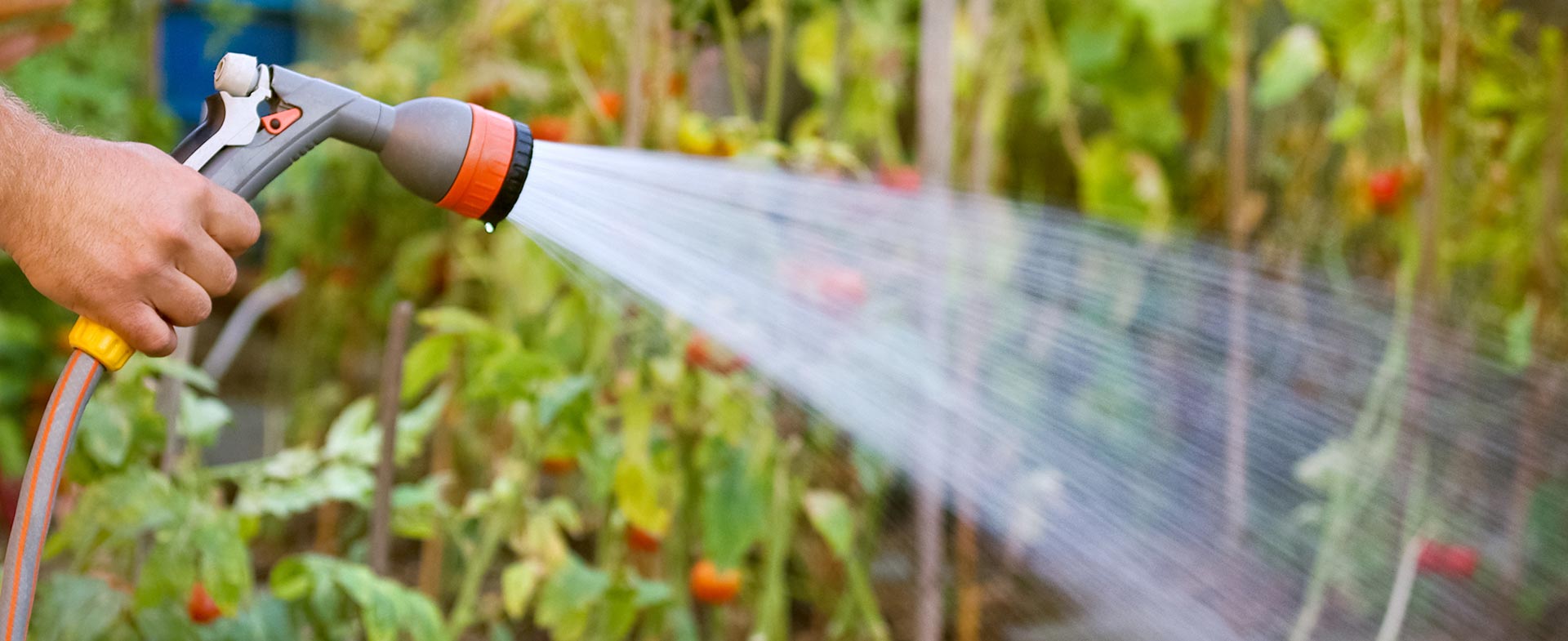
How and when you water can make or break your gardening experience. New gardeners often err on the side of overwatering.
Guidelines for Successful Watering:
- Check the soil: Stick your finger 1-2 inches down. If it's dry, it's time to water.
- Water deeply, not frequently: Deep watering encourages robust root growth. Shallow, frequent sips can stunt plants.
- Morning is best: Water early to minimize evaporation and prevent fungal diseases.
- Avoid watering leaves: Target the soil at the base to avoid mildew and rot on the foliage.
Learning to water smart is one of the best beginner gardening techniques you can master!
5. Feed Your Plants Smartly
Plants need more than water and sunshine to really flourish--they need food. Fertilizing the right way is one of the must-know gardening tips for beginner gardeners.
- Compost: Homemade or bagged compost is packed with nutrients and improves soil health naturally.
- Slow-release fertilizers: These provide balanced nutrition over several months; perfect for busy new gardeners.
- Organic options: Fish emulsion, worm castings, and seaweed extract are gentle, environmentally friendly choices.
- Always follow package instructions to avoid damaging young roots with too much fertilizer.
Well-fed plants are resistant to pests and produce better flowers and fruit.
6. Get to Know Common Garden Pests and Problems
Pests and diseases can quickly ruin your hard work. Don't panic--many issues are manageable with early intervention. Prevention and vigilance are your best weapons.
Must-Know Pest Management Tips for Gardening Beginners:
- Inspect often: Check leaves (especially undersides) for signs of insects, eggs, or discoloration.
- Integrated Pest Management (IPM): Choose non-toxic solutions like hand-picking pests, introducing beneficial insects (ladybugs, lacewings), and companion planting.
- Encourage biodiversity: Healthy gardens with diverse plants attract helpful predators and deter infestations naturally.
- Treat problems early: Address small outbreaks immediately to prevent major damage.
Remember: healthy, unstressed plants are less likely to get sick!
7. Practice Consistent Garden Maintenance
The best way to ensure thriving plants is regular, gentle maintenance. This is a key beginner's gardening secret often overlooked!
- Weeding: Remove weeds quickly so they don't steal water and nutrients from your plants.
- Mulching: Spread organic mulch (like straw or wood chips) to conserve moisture, suppress weeds, and regulate soil temperature.
- Pruning: Trim dead or damaged growth to encourage healthy new shoots and prevent disease.
- Rotating crops: If growing vegetables, change the planting spot each year to minimize pests and soil depletion.
Little-and-often is the must-know gardening trick for lasting success.
8. Keep a Gardening Journal
Seasoned gardeners swear by their gardening journals. Keeping records helps you learn from each season.
What to Record:
- Planting dates for seeds, transplants, and bulbs
- Weather conditions and any extreme events
- Yield notes: How much did you harvest?
- Pests or diseases observed
- Successes and things to try differently next year
Journaling transforms mistakes into must-know gardening insights for beginners and experts alike.
9. Cultivate Patience and Enjoy the Process
The final--and possibly most important--tip: be patient and persistent. Gardens are living environments. Growth takes time, and mistakes are part of the learning curve. Your efforts will be rewarded with stronger skills and a deeper appreciation of nature's cycles.
Don't forget to enjoy the beauty along the way--admire new sprouts, savor the scent of herbs, and celebrate every small success.
Bonus: Explore Creative Gardening Ideas for Beginners
If space is limited or you're looking for extra inspiration, try:
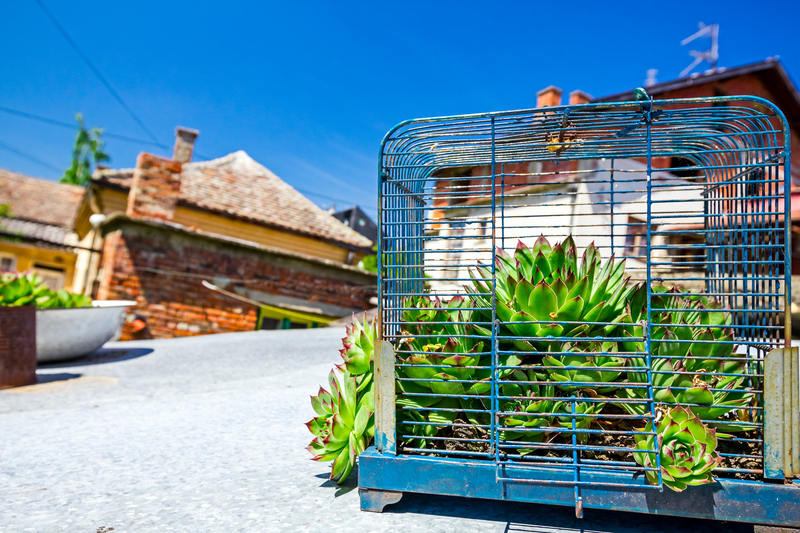
- Container Gardening: Perfect for patios, balconies, or renters.
- Vertical Gardens: Use trellises or wall planters for climbing veggies or flowers.
- Windowsill Gardens: Grow herbs indoors year-round with minimal supplies.
- Pollinator Gardens: Attract bees and butterflies by planting native flowers.
With these unique beginner gardening methods, there's a gardening solution for every lifestyle!

Frequently Asked Questions (FAQ)
1. What tools do gardening beginners really need?
Start basic! A sturdy trowel, pruners, watering can or hose, gloves, and a rake will cover most gardening activities. As your skills grow, you can gradually invest in specialized equipment.
2. When is the best time to start a beginner's garden?
Spring is ideal for most climates, but some cool-season crops (like spinach and peas) can be started in late winter. Research your local frost dates to time planting perfectly.
3. How do I keep my first plants alive?
Follow the basic gardening tips in this guide: observe and respond to your plants' needs, choose easy varieties, avoid overwatering, provide good soil, and be proactive about pests. Start small so you won't be overwhelmed!
4. Can I have a beginner's garden indoors?
Absolutely! Many herbs, leafy greens, and even compact tomatoes will thrive on windowsills or under lights. Indoor gardening is perfect for beginners who lack outdoor space.
Conclusion: Your Gardening Journey Starts Here
Gardening is a journey of discovery and joy. By following these 9 must-know gardening tips for beginners, you'll build the confidence and skills needed to nurture a thriving, beautiful garden. Start small, keep learning, and, most importantly, take time to enjoy your green oasis at every stage of its growth.
For more in-depth guidance and community support, consider joining a local garden club or visiting a nursery--gardeners love to share their experience! Happy gardening!
Latest Posts
Innovative Approaches to Protect Plants During Cold Winters
Discover the Power of 3: Tips for Unmatched Weed Control
Discover the Joy of Herb Gardening