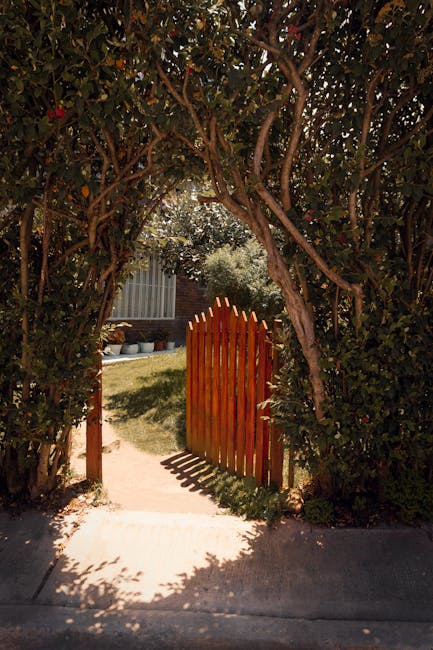
Common garden access problems in Stepney and gardeners solutions
Garden access sounds simple until you are actually standing there with a mower, compost bags, hedge trimmers, or a wheelbarrow that will not fit through the side gate. In Stepney, that reality is familiar. Tight terraces, shared entrances, narrow alleys, awkward steps, basement gardens, and limited front-to-back access can turn a routine visit into a logistical puzzle. This guide on Common garden access problems in Stepney and gardeners solutions explains the most common barriers, why they matter, and the practical fixes that make gardens easier to maintain without damage, delay, or stress.
If your outdoor space is hard to reach, that does not mean it is hard to improve. It just means the approach needs to be smarter. Let's get into the details, because a small change in access planning can make a surprisingly big difference.
Why Common garden access problems in Stepney and gardeners solutions Matters
Access issues are not a minor inconvenience. They shape what can realistically be done in a garden, how safely it can be done, and how long the work takes. In a dense part of East London like Stepney, many gardens were never designed with modern maintenance in mind. Some were built around narrow passageways and shared entries. Others have been altered over time, with decking, fencing, bin stores, or extensions leaving only a sliver of workable space.
When access is poor, several things tend to happen. Jobs take longer. Heavy equipment may need to be carried by hand. Materials have to be split into smaller loads. Plants and structures can be damaged during entry and exit. And if the route is awkward enough, some maintenance tasks get delayed altogether. That is how small access issues become bigger garden problems.
There is also a straightforward cost angle. Better access planning usually reduces labour time, avoids avoidable damage, and makes regular work more efficient. If you only think about access once a year, you may not notice the waste. But if you have ever watched a gardener squeeze a bag of soil through a narrow gate sideways, you already know the story.
It is also about safety. Slippery paving, uneven steps, low light, tight corners, loose pets, or hidden obstacles can all increase the risk of trips and strain. Good access planning is one of those unglamorous things that quietly keeps the whole project running well.
For people looking at longer-term improvements, the right approach can also support wider garden goals. For example, if you are aiming for a lower-maintenance layout, a better access route makes regular pruning and tidying much easier. If privacy planting is on the wish list, access-friendly placement helps. Even garden features like seating or vertical planting work better when the route in and out is designed with them in mind.
When access is handled properly, the garden starts to feel easier to live with. And that is really the point.
How Common garden access problems in Stepney and gardeners solutions Works
The basic process is not complicated, but it does need care. First, the access route is assessed. Then the likely obstacles are identified. After that, a solution is chosen that fits the space, the task, and the level of permanence needed.
In practice, gardeners usually look at five things:
- Width - can a mower, trug, ladder, or bag of soil pass through without scraping?
- Height clearance - are there low branches, porch roofs, pipes, or cables in the way?
- Surface condition - is the route wet, muddy, cracked, or uneven?
- Turn points - can equipment be rotated comfortably at the gate, path bend, or step?
- Security and permissions - are keys, codes, or neighbour access needed?
Once those points are clear, the solution tends to fall into one of a few patterns. Sometimes the answer is simple housekeeping: clear the route, unlock gates in advance, move bins, and trim back overgrowth. Sometimes it is operational: use smaller tools, lighter pots, modular materials, or hand-carry systems. And sometimes it is structural, meaning the garden itself needs a more thoughtful redesign.
A good example is a Stepney courtyard garden reached only through a narrow side passage. A bulky mower is a poor fit. But a compact mower, a hand shears routine, container planting, and a clear storage zone near the exit can make the space far more manageable. That is the kind of practical thinking that turns frustration into routine.
For gardens that struggle with awkward layouts and neglected corners, a review of existing features can help a lot. This is one reason some owners also look at first steps for renewing overlooked gardens when a space feels difficult before it even feels beautiful.
If access problems are tied to poor layout rather than just clutter, a more strategic approach may be needed. That might involve path reshaping, fence adjustments, smarter planting positions, or a new maintenance plan built around the route rather than against it. No magic tricks, just better planning.
Key Benefits and Practical Advantages
Fixing access problems gives you more than convenience. It changes how the whole garden functions.
- Faster maintenance - regular tasks become less of a slog.
- Lower risk of damage - fewer scuffed walls, crushed borders, or broken stems.
- Improved safety - fewer awkward lifts, slips, and near-misses.
- Better results - gardeners can work more carefully when they are not fighting the route in.
- Lower stress for homeowners - one less thing to worry about on the day.
- More flexible design options - once access is easier, you can consider bolder planting or layout changes.
There is also a subtle benefit that people do not always mention: better access makes it easier to keep a garden consistently tidy. A garden that can be reached quickly is more likely to be maintained regularly. And regular maintenance almost always looks better than occasional catch-up work. Truth be told, most "messy garden" problems are partly access problems in disguise.
Better access can also support specialist work. Think hedge cutting, tree pruning, pressure-free garden clearance, or moving materials for landscaping. If a job requires tree surgery, safe entry and exit routes are just as important as the cut itself.
For many Stepney homes, another payoff is better use of smaller spaces. With access under control, it becomes easier to make room for a seating area, containers, or vertical planting. If that interests you, there is a useful read on making the most of vertical gardening when ground space is limited.
Who This Is For and When It Makes Sense
Honestly, this topic matters to more people than you might expect.
You may need access solutions if you are:
- a homeowner with a narrow side return or basement garden
- a landlord arranging regular outdoor maintenance
- a tenant trying to keep a shared garden manageable
- an older resident who needs safer, lighter access routes
- a family with pushchairs, pets, bikes, and the usual clutter of real life
- someone planning landscaping or a bigger redesign
- anyone who has ever said, "I'd do more in the garden if I could actually get to it properly"
It also makes sense before seasonal work. Spring tidy-ups, summer hedge cutting, autumn leaf removal, and winter protection all become easier when the route is clear. In wetter months, Stepney gardens can turn slick quickly, so access planning is even more useful. If you are thinking about seasonal resilience too, the article on weather-resilient garden protection pairs well with this topic.
Sometimes the issue is not dramatic. A gate that sticks, a path that narrows by a few centimetres, or a single awkward step can still slow everything down. That is often the point where a gardener's solution pays for itself: small access fixes, big practical gain.
Step-by-Step Guidance
Here is a practical way to deal with access issues without overcomplicating the job.
- Walk the route from street to garden
Do this slowly and with an honest eye. Note narrow points, steps, overgrown plants, locks, broken paving, and anything that would make carrying tools awkward. - Identify what actually needs to come through
A small pruning job needs a different route than a full garden refresh. List the tools, waste bags, compost, timber, paving, or plants involved. - Measure the narrowest points
Width matters, but so does turning space. A passage that seems passable may still be useless for bulky items if there is no room to angle them through. - Clear and simplify the route
Move bins, hosepipes, toys, bikes, and temporary storage. Cut back brambles, ivy, or hedging that is intruding into the path. - Decide whether the fix is temporary or permanent
Temporary fixes include better scheduling, smaller tools, and protective route covering. Permanent fixes may involve path widening, gate changes, or layout redesign. - Use the right handling method
Break materials into smaller loads. Use lighter pots. Avoid dragging heavy items across delicate paving. If the route is awkward, two smaller trips are better than one risky one. - Test the route after changes
Sometimes the final awkward point is not where you expected it. That happens a lot, to be fair. A quick test run saves hassle later.
If access issues are linked to fencing, overgrowth, or hard boundaries, it may be worth looking at services that restore usable space. Relevant options can include fencing support, hedge trimming, or more general garden maintenance depending on what is blocking the route.
One thing that helps a lot is planning waste removal before the job starts. A tidy exit route is just as important as a tidy work area. If you are dealing with cuttings and organic waste, the article on reusing waste for soil fertility offers a sensible sustainability angle as well.
Expert Tips for Better Results
Here are the small details that tend to separate a smooth job from a frustrating one.
- Keep access zones permanently clear - do not let the route become a storage shelf.
- Choose compact tools where possible - especially in terrace and courtyard gardens.
- Use containers strategically - they can be moved, lifted, or repositioned if access changes.
- Match plants to the route - avoid thorny or brittle planting where people must pass regularly.
- Think in stages - if materials cannot pass through easily, split the project into phases.
- Protect surfaces - old paving and decking can mark or crack more easily than people realise.
- Allow for neighbour access where required - if the only sensible route is shared, sort that out before the team arrives.
A good professional gardener will often work around access constraints rather than forcing them. That might mean bringing in hand tools instead of power equipment, using smaller sacks, or staging work from the nearest practical point. It is not glamorous, but it works.
If your garden also needs a simpler, lower-maintenance setup, useful ideas can come from low-maintenance garden planning. Access and maintenance are tied together more than most people think.
And yes, there is a bit of judgement involved. Not every shortcut is a good shortcut. Sometimes the "quick fix" is actually the thing that causes the next problem.
Common Mistakes to Avoid
Access problems get worse when they are treated casually. Here are the mistakes that come up again and again.
- Assuming everyone can fit through the same route - a person can pass through where a mower cannot.
- Forgetting about return travel - getting materials in is only half the job; getting waste out matters too.
- Ignoring wet-weather conditions - a narrow passage may be passable in dry weather and dangerous when wet.
- Leaving gates locked or keys unavailable - one of the simplest delays, and oddly one of the most common.
- Overestimating how much lifting is safe - awkward loads are where backs get angry.
- Blocking access with "temporary" storage - temporary has a habit of becoming permanent.
- Forcing large equipment through tight routes - this is how walls get chipped and confidence gets dented.
Another common issue is trying to solve access with planting alone. Planting can soften boundaries and improve flow, but if the route itself is blocked, greenery will not save the day. First the route, then the flourish.
For a lot of homes, overgrown hedging is the hidden culprit. If that sounds familiar, a targeted hedge trimming approach can help open up movement without stripping the garden bare.
Tools, Resources and Recommendations
You do not need a van full of fancy gear to manage garden access well, but a few practical tools make life easier.
- Compact hand tools for tight gardens and precise work
- Foldable wheelbarrow or garden trolley for moving smaller loads
- Protective sheets or boards to safeguard paving, decking, or indoor floors near entry points
- Good gloves and sturdy footwear because narrow access and slippery surfaces are a bad combination
- Lighting for dark routes if the side passage or rear entry is shaded
- Labels or keysafe planning so access is not delayed on the day
For people who like to keep the garden itself working harder with less maintenance, container planting can be a useful companion strategy. It gives more flexibility where access is limited, and the article on container gardening is a sensible place to start.
In some gardens, a better layout is the real answer. That may involve reshaping a path, creating a clearer storage point, or changing how borders meet the access route. If you are considering a wider garden redesign, the team at landscaping may be the right fit.
When access issues are tied to old turf, patchy surfaces, or repeated foot traffic, a more durable surface plan can help too. There is a strong case for combining access planning with patio cleaning or even ongoing lawn care where surfaces and lawns need to stay workable through the year.
Law, Compliance, Standards, or Best Practice
Garden access work is not usually a heavily regulated area in itself, but safe practice still matters. If a gardener is working on private property, they should avoid creating hazards for residents, neighbours, or visitors. That includes leaving tools in paths, blocking emergency exits, or carrying heavy materials in a way that creates risk.
In the UK, general health and safety expectations apply to outdoor work just as they do anywhere else. Good practice usually includes:
- keeping routes clear and visible
- using suitable lifting methods
- checking for trip hazards before work begins
- storing equipment safely during breaks
- agreeing access arrangements in advance
Insurance is also worth a proper look. If work involves awkward access, shared entryways, ladders, or tools near hard surfaces, it is sensible to choose a provider that takes safety seriously. A useful page for this is insurance and safety information.
For customers, the practical takeaway is simple: ask how access will be handled before the job starts. What route will be used? What happens if the gate is locked? How will debris be removed? That sort of conversation prevents a lot of awkwardness later. Not every job needs paperwork, but every job benefits from clear expectations.
Where privacy, neighbour relations, or shared access are involved, communication matters too. If there is any chance of inconvenience beyond your boundary, it is usually better to say so early. A five-minute conversation can prevent a two-hour headache. Easy win.
Options, Methods, or Comparison Table
Different access problems call for different fixes. This table gives a straightforward comparison.
| Access issue | Best practical fix | When it works best | Watch out for |
|---|---|---|---|
| Narrow side passage | Smaller tools, lighter loads, route clearing | Routine maintenance, pruning, plant care | Dragging equipment can damage walls or paving |
| Locked or shared gate | Key coordination and timed access | Recurring visits or multi-property gardens | Delays if neighbours are not informed |
| Uneven steps or slopes | Careful manual handling and safer footing | Older gardens, basement entries | Slips and strain in wet weather |
| Overgrown route | Hedge cutting and border reduction | Seasonal clearance, re-opening a blocked path | Cutting too hard can expose the route too much |
| Large waste output | Bagging in smaller batches and staged removal | Clearance work, landscaping, heavy pruning | Leaving waste in the garden creates extra clutter |
| Poor storage near access | Create a dedicated staging point | Repeated visits, tool-heavy maintenance | Storage must not become an obstruction itself |
If your garden is shaded or hemmed in by structures, access and planting choice should be planned together. In those situations, it can help to think about what will still grow well without constant fiddling. The article on evergreen climbers for shaded spots is useful here.
Case Study or Real-World Example
Here is a realistic example based on the kind of situation seen often in Stepney.
A homeowner had a rear garden behind a terrace property, reached only by a narrow side path with two tight turns and one awkward step. The main issue was not the garden size; it was access. Regular mowing was a pain, hedge cuttings piled up quickly, and each visit risked scuffing the wall beside the passage.
The solution was simple, but not flashy. First, the route was cleared of storage and loose items. Then the overgrown hedge along the passage was reduced enough to open breathing room. The maintenance plan changed from bulky equipment to lighter, more frequent visits. A compact set of tools was used, and waste was bagged in smaller loads rather than piled at the end. A small staging point was set near the back for tools and gloves, so nothing had to be carried back and forth more than necessary.
What changed? The job became calmer. Less dragging, less bumping, less backtracking. The garden itself did not suddenly become enormous or easy, but it became workable. That is often the real victory.
And, a nice side effect: because access was better, the owner started keeping up with small tasks instead of waiting for one huge clean-up day. That meant healthier borders, less overgrowth, and a garden that looked looked after rather than rescued. Small difference, big feel.
Practical Checklist
Use this quick checklist before a garden visit or any access-sensitive job.
- Gate unlocked or key/code confirmed
- Path cleared of bins, bikes, toys, and temporary storage
- Overgrowth trimmed back from the route
- Steps checked for moss, loose edges, or puddles
- Tools sized appropriately for the available space
- Materials broken into manageable loads
- Waste removal plan agreed in advance
- Protective covering ready for delicate surfaces
- Neighbour access arranged if shared space is involved
- Lighting adequate for darker routes or early starts
- Pets secured before work begins
- Final exit route kept clear for leaving the site safely
If you can tick most of those off, you are already ahead of the game. And if you cannot, that is fine too - it just means the access plan needs a bit more thought before the work starts.
Conclusion
Common garden access problems in Stepney and gardeners solutions are really about making a garden usable, not just attractive. Once the route in and out is easier, everything else gets better: maintenance is simpler, plants are safer, jobs are quicker, and the whole outdoor space feels less awkward to live with.
In Stepney, where many gardens are compact, shared, or shaped by older building layouts, the smartest approach is usually the one that respects the space instead of fighting it. Clear the route, choose the right tools, plan for waste, and make small structural changes where they truly help. That is how a cramped garden starts to feel calm.
And if you are unsure where to begin, start with the one thing you can change today: the path to the garden. It sounds small, but it is often the first real turning point.
Get a free quote today and see how much you can save.
Frequently Asked Questions
What are the most common garden access problems in Stepney?
The most common issues are narrow side passages, locked or shared gates, uneven steps, overgrown routes, limited storage space, and awkward turns that make tools or waste hard to move.
How do gardeners work in very tight gardens?
They usually switch to compact tools, smaller loads, careful staging, and more frequent visits. In some gardens, they also adjust the maintenance plan so it suits the access route rather than fighting it.
Can a garden still be maintained if access is only through a side alley?
Yes. It may just need a more considered method. Clearing the route, choosing the right equipment, and planning material movement properly can make a side-alley garden perfectly manageable.
Do access problems make gardening more expensive?
They can, because awkward access often takes more time and care. That said, good planning can reduce extra time and avoid damage, which helps keep costs under control.
What should I clear before a gardener arrives?
Move bins, bikes, toys, loose furniture, and anything else blocking the route. Unlock gates, secure pets, and make sure the path is safe and visible.
Is it better to widen the path or just use smaller tools?
It depends on how often the route is used and how severe the restriction is. Smaller tools may be enough for routine work, but if access is constantly awkward, a permanent route improvement may be worth it.
How do I know if my hedge or fence is affecting access?
If walking through the route means turning sideways, brushing past growth, or struggling to carry anything bulky, the hedge or fence line may be intruding into usable space. A targeted trim or boundary review can help.
What if my garden gets muddy or slippery after rain?
That is common in narrow access routes. Better surfacing, protective boards, or simply waiting for safer conditions can reduce risk. Wet-weather planning matters more than people think.
Are shared gardens harder to manage because of access?
Often yes, because you may need permission, coordination, and agreed working times. Good communication and clear route planning usually solve most of the practical headaches.
Can access issues affect landscaping projects too?
Definitely. Landscaping often involves heavier materials, more waste, and more equipment, so access can shape what is possible and how the work is sequenced.
What is the safest way to move heavy garden waste through a narrow route?
Use smaller bags, divide loads, protect the floor surface, and avoid rushing. If the route is awkward, two controlled trips are much safer than one overfilled carry.
When should I call a professional gardener instead of trying to fix access myself?
If the route is unsafe, the garden layout is complicated, or you need regular ongoing maintenance, a professional can assess the space and recommend a practical solution without guesswork.
If you would like help planning a workable approach for a tight or awkward garden, start a conversation through the contact page.