 020 3744 3778
Container Gardening: Grow Anywhere, Anytime
Posted on 06/09/2025
Container Gardening: Grow Anywhere, Anytime
Container gardening offers an accessible and versatile approach for anyone eager to embrace the joys of gardening, regardless of space and location. Whether you live in an urban apartment, a suburban home, or a rural retreat, container gardening makes it possible to cultivate beautiful flowers, delicious vegetables, and aromatic herbs -- all within pots, tubs, or even recycled containers. In this comprehensive guide, we'll explore how you can grow anywhere, anytime, and transform any space into a lush haven with container gardening.
What is Container Gardening?
Container gardening is the practice of growing plants exclusively in containers rather than planting them in the ground. This modern method is perfect for those with limited space or lacking traditional garden beds. With the right container, soil, and plant selection, container gardening enables you to design, grow, and enjoy a garden in virtually any setting -- from balconies to windowsills, rooftops, patios, and even sunny indoor spaces.
Why Choose Container Gardening?
- Space-saving: Ideal for small spaces, apartments, or balconies.
- Mobility: Easily move containers to optimize sunlight or shelter from the weather.
- Pest and Disease Management: Control soil quality and reduce exposure to common ground-borne diseases.
- Design Flexibility: Mix and match plant varieties, container styles, and layouts with ease.
- Year-round Growing: Move containers indoors or into greenhouses for all-season gardening.
The Best Plants for Container Gardening
Your container garden can flourish with almost any plant, provided you select varieties suited to your space and conditions. Here are the most popular choices:
Flowers
- Petunias, marigolds, and pansies: Add vibrant color and attract pollinators.
- Geraniums and begonias: Thrive in containers with minimal fuss.
- Miniature roses and impatiens: Great for shaded balconies or patios.
Vegetables
- Tomatoes, peppers, and eggplants: Perfect for sunny spots with larger containers.
- Lettuce, radishes, and spinach: Quick-growing and suited for shallow pots.
- Carrots and beets: Select compact or "baby" varieties for success in containers.
Herbs
- Basil, parsley, and cilantro: Essential for fresh kitchen flavors.
- Mint and chives: Grow well in small pots and thrive indoors or outside.
- Rosemary and thyme: Woody herbs with ornamental value and culinary uses.
Getting Started with Container Gardening
Selecting the Right Container
Choosing the best container is your first step to a successful container gardening experience. Here are the main considerations:
- Size: Ensure your container is large enough to accommodate your plant's root system. Larger containers retain moisture better, reducing the frequency of watering.
- Material: Pots come in various materials like clay, ceramic, plastic, or wood. Terracotta allows breathability but dries out quickly, while plastic retains moisture.
- Drainage: Containers must have drainage holes to prevent overwatering and root rot.
- Shape and Style: Pick containers that suit your personal style and available space.
Choosing the Right Soil
Don't use garden soil in your pots. Instead, opt for a high-quality potting mix. These are specially formulated for container gardening and ensure good drainage, aeration, and nutrient balance. For edibles, choose organic options for the healthiest harvest.
- Potting Mix: Look for a light, fluffy mix labeled for containers or indoor plants.
- Additives: Add perlite, vermiculite, or coconut coir to improve drainage and moisture retention as needed.
Selecting the Right Site
Where you put your containers is crucial. Observe your space and note how much sunlight it receives -- six hours or more is ideal for most vegetables and flowering plants, while many herbs and shade-loving species thrive with less.
- Full sun: South- or west-facing balconies, decks, or patios.
- Partial shade: East-facing windowsills, under awnings, or beneath taller plants.
- Indoor gardening: Bright windows or rooms with supplemental grow lights for year-round plant health.
Fundamentals of Container Gardening Care
Watering Tips for Potted Plants
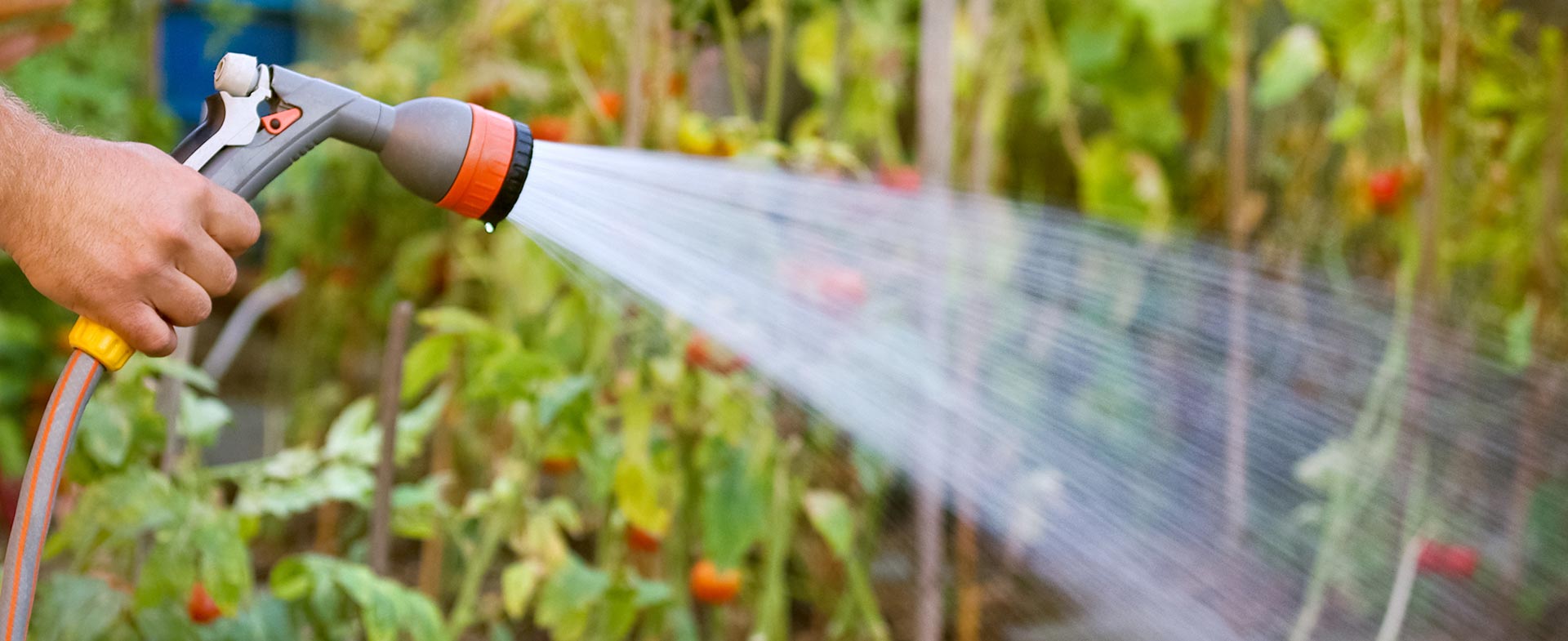
Containers dry out more quickly than traditional garden beds. Proper watering is essential for robust, healthy growth.
- Check soil moisture: Stick your finger one inch into the soil. If it feels dry, it's time to water.
- Water thoroughly: Apply water until you see it draining from the bottom to ensure all roots are hydrated.
- Frequency: Adjust based on weather -- daily in hot spells, less often in cooler months or for mature plants.
- Self-watering containers: Invest in these to help maintain even soil moisture, especially when away from home.
Fertilizing Your Container Garden
Because watering leaches nutrients from potting soil, regular feeding is a must.
- Slow-release fertilizers: Mix granules into the soil at planting time, and replenish as needed.
- Liquid fertilizer: Feed every two to four weeks with diluted liquid plant food, tailored to plant type.
- Organic amendments: Compost tea or worm castings provide gentle, sustained nutrition.
Pruning, Supporting, and Maintaining Containers
Healthy container gardens require occasional maintenance:
- Prune regularly to remove dead or dying growth and encourage new blooms or foliage.
- Staking may be necessary for tall or vining vegetables, such as tomatoes or beans.
- Repot plants every year or two to refresh soil and provide adequate root space.
Innovative Container Gardening Ideas
Vertical Container Gardens
When floor space is limited, think vertically. Hang baskets, wall-mounted pots, or stacked planters to maximize your container gardening area.
- Living walls: Use modular panels or pocket planters to create walls of greenery.
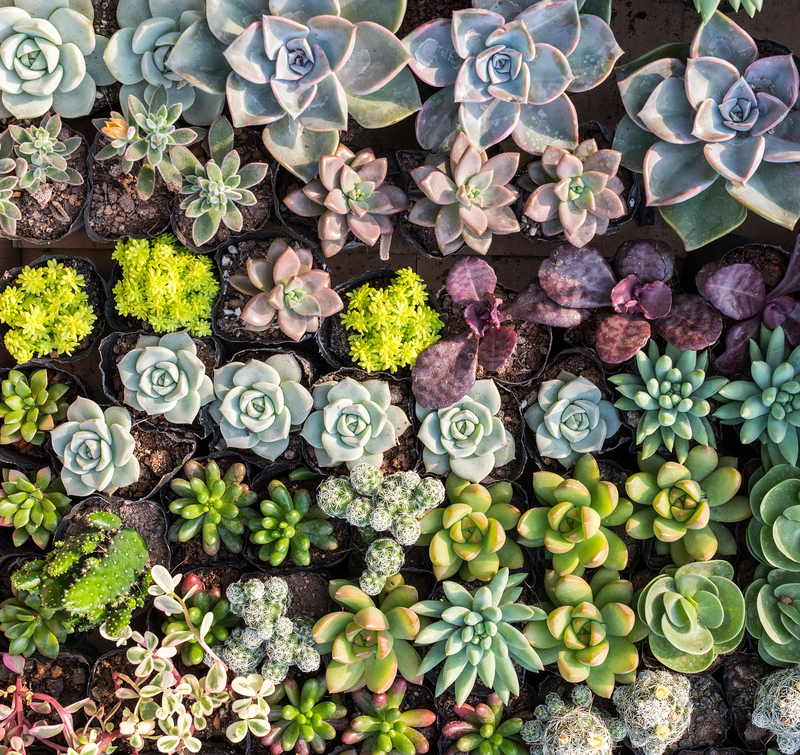
- Pallet gardens: Repurpose wooden pallets by filling openings with soil and planting herbs or succulents.
Recycled and Upcycled Containers
Get creative! Many household items can be transformed into unique planters:
- Thrifted bowls and mugs: Add drainage holes for small plants or succulents.
- Wooden crates or baskets: Line for moisture retention, then fill with soil and plant your favorites.
- Old boots, tires, or watering cans: An eco-friendly way to add whimsy to your container garden.
Mobile Gardens
Container gardens on wheels offer the ultimate flexibility. Use carts, wagons, or rolling planters to rearrange your greenery for events or to chase the sun around your space.
Year-Round Container Gardening: Grow Anytime!
One of the greatest advantages of cultivating plants in containers is the ability to grow all year long. With planning and a few adjustments, you can enjoy fresh produce and colorful blooms in every season.
- Spring and Summer: Focus on sun-loving annuals, vegetables, and herbs.
- Autumn: Switch to cold-tolerant greens, ornamental cabbages, and pansies.
- Winter: Move containers indoors or to a greenhouse for citrus trees, succulents, and hardy herbs on sunny windowsills.
Indoor Container Gardening
Turn sunny windows or spare corners into productive mini-gardens:
- Use grow lights to supplement low natural light during winter months.
- Choose compact, dwarf, or microgreen varieties adapted to smaller spaces.
- Self-watering and decorative planters help maintain healthy, vibrant indoor greenery year-round.
Container Gardening for Urban Spaces
Living in a city doesn't mean sacrificing access to fresh greens or nature. Container gardens elevate patios, balconies, and rooftops -- adding beauty, privacy, and even valuable insulation.
Best Practices for Urban Container Gardens
- Prioritize lightweight containers for high-rise balconies or rooftop gardens.
- Group containers to create microclimates and reduce watering needs.
- Mix edibles with ornamentals for dual functionality and beauty.
- Incorporate seating or decorative trellises to make your green space more inviting.
Common Container Gardening Challenges and How to Overcome Them
Pests and Diseases
Container gardens aren't immune to pests or plant diseases, but monitoring is simpler.
- Regular inspections help spot pests early.
- Neem oil, insecticidal soap, or diatomaceous earth can control most infestations.
- Remove or isolate affected plants to prevent spread.
Watering Problems
Under- or overwatering is a common concern. Remember:
- Use saucers to catch excess water and prevent mess indoors.
- Wick irrigation systems can supply steady moisture without oversaturation.
Nutrient Deficiency
Yellowing leaves or slow growth? Consider:
- Regular fertilizing with balanced plant food or fish emulsion.
- Flush pots with water occasionally to remove salt buildup.
Top Tips for Successful Container Gardens
- Monitor light, water, and feeding needs for each plant.
- Rotate containers to keep plant growth symmetrical and maximize sun exposure.
- Group containers by plant type or water needs for easy maintenance.
- Refresh potting soil annually or between seasonal plantings.
- Layer plants of varying heights to create visual interest and maximize use of vertical space.
- Label your containers with names and planting dates to track growth and maintenance.
Conclusion: Start Your Container Garden Now!
Container gardening allows anyone to grow anywhere, anytime. Whether you dream of a lively herb collection in your kitchen, fresh veggies on your balcony, or vibrant flowers along your walkway, the possibilities are endless. With a little creativity, the right knowledge, and careful attention, container gardening brings lush abundance within reach -- regardless of space, climate, or experience level.
Start small, experiment with different combinations, and watch as your personal oasis takes root and flourishes year after year. Happy growing!
Latest Posts
Innovative Approaches to Protect Plants During Cold Winters
Discover the Power of 3: Tips for Unmatched Weed Control
Discover the Joy of Herb Gardening