 020 3744 3778
Discover the Joy of Herb Gardening
Posted on 22/09/2025
Discover the Joy of Herb Gardening: A Comprehensive Guide
Herb gardening is an age-old tradition that not only transforms your meals but also enriches your daily life. Whether you're a culinary enthusiast, a wellness seeker, or simply craving a bit of green in your living space, herb gardening offers endless possibilities. In this guide, we'll take you on a journey to discover the joys of growing your own herbs--from practical benefits to step-by-step how-tos and clever tips for every level.
Why Start an Herb Garden?
From fresh flavors in your kitchen to amazing aromas in your home, the benefits of herb gardening are unmatched. Here are some of the top reasons to try your hand at growing herbs:
- Freshness and Flavor: Nothing beats the taste of freshly picked herbs added straight into your favorite dishes.
- Health Benefits: Many herbs are packed with vitamins, antioxidants, and healing properties.
- Cost-Effective: Growing an herb garden saves you from buying expensive grocery store bundles that often wilt unused.
- Therapeutic Hobby: Tending your mini garden relieves stress and brings tranquility to your daily routine.
- Sustainable Living: Homegrown herbs reduce packaging waste and food miles, making your eating habits more eco-friendly.
The Most Popular Herbs to Grow
With so many varieties, it can be hard to know where to start your herb gardening journey. Here are a few must-have herbs for beginners and seasoned gardeners alike:
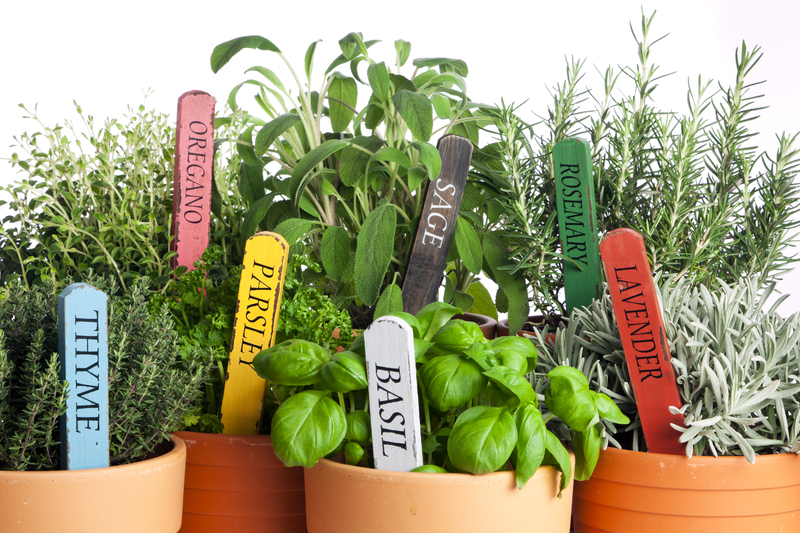
- Basil: Essential for Italian and Thai dishes, basil thrives in warm weather and loves sunlight.
- Mint: Perfect for teas, desserts, and cocktails, but remember--mint can be invasive, so consider planting it in containers.
- Rosemary: Aromatic and hardy, rosemary is a favorite for roasting and grilling.
- Thyme: This versatile herb fits well with meats, soups, and stews. It's drought-tolerant and easy to care for.
- Parsley: Beyond the garnish, parsley adds a fresh note to salads, sauces, and soups.
- Cilantro: A staple in Mexican and Asian cuisines, cilantro grows quickly and loves cooler weather.
- Chives: With a mild onion flavor, chives are perfect for topping baked potatoes and adding to salads.
Choosing the Right Herbs for Your Space
Whether you have a sprawling backyard or a tiny windowsill, herb gardening can fit your lifestyle. For small spaces, prioritize container-friendly herbs like basil, parsley, and chives. If you have more room outdoors, experiment with perennial herbs such as sage and oregano.
Planning Your Herb Garden: Indoors or Out?
One of the most exciting aspects of herb gardening is its flexibility. You can cultivate an indoor herb garden, set up a few handy pots on your balcony, or dedicate a section of your yard to raised beds.
Indoor Herb Gardening
- Sunlight: Most herbs need at least 6 hours of sunlight per day. A south-facing window is ideal.
- Containers: Use pots with drainage holes to prevent waterlogging and root rot.
- Soil: Choose a high-quality potting mix rich in organic matter.
- Space: Even a kitchen counter can offer enough room for a mini herb garden.
Tip: Rotate your pots every few days so all sides of each plant receive light. This encourages even growth.
Outdoor Herb Gardening
- Location: Select a spot with ample light and well-draining soil.
- Raised Beds or Rows: Organize your garden so herbs with similar water and sun requirements grow together.
- Space Planning: Allow enough space for each herb's mature size, especially for spreading plants like mint and oregano.
How to Start Your Herb Garden
Setting up a thriving herb garden is easier than you might think, especially with the right preparation. Follow these step-by-step guidelines:
1. Choose Your Growing Method
- Seeds: Growing from seed is affordable and offers a wide variety of options. Some herbs, like basil and parsley, are easy to start indoors.
- Seedlings: For a quicker start, purchase young plants (starts) from a local nursery.
2. Prepare the Soil or Potting Mix
Healthy soil is key to lush, productive herbs. For outdoor gardens, enrich the soil with compost or well-rotted manure. For container gardens, use a premium potting mix with good drainage.
3. Plant Your Herbs
- Spacing: Follow guidelines for each specific herb. Overcrowding can lead to poor air circulation and disease.
- Depth: Plant seeds as deep as indicated on the packet, or set seedlings at the same depth they were in their nursery pots.
- Watering: Water thoroughly after planting, but avoid soaking the soil. Most herbs prefer soil that is moist, not soggy.
4. Provide Proper Care
Consistency is crucial. Herbs aren't demanding, but they perform best with regular care:
- Watering: Let the soil surface dry between waterings. Some, like mint and parsley, enjoy more moisture, while rosemary prefers to dry out slightly.
- Fertilizer: Use an organic liquid fertilizer every few weeks during the growing season.
- Pruning: Pinch back the tips of your herbs regularly to encourage bushier growth and prevent flowering, which can cause leaves to lose flavor.
Harvesting: Enjoying the Fruits of Your Labor
Perhaps the most delightful part of herb gardening is the harvest. Here's how to get the most from your homegrown bounty:
- Harvest Early and Often: Picking sprigs regularly encourages plants to produce more foliage.
- Morning Harvest: Gather herbs in the morning after dew has dried, when essential oils are at their peak.
- Don't Overharvest: Never remove more than one-third of a plant at a time; this ensures continued healthy growth.
Preserving Herbs for Year-Round Use
Your home herb garden can provide fresh flavors even in the off-season! Here are some simple techniques for preserving herbs:
- Drying: Tie small bunches and hang them upside down in a dry, well-ventilated area.
- Freezing: Chop herbs and pack them into ice cube trays with a bit of water or oil, then freeze for use in soups and stews.
- Herb Butters & Oils: Mix fresh chopped herbs into softened butter or olive oil for instant flavor boosts in cooking.
Infuse Your Routine with Freshness
Did you know? Many herbs have uses beyond cooking! Mint and lavender make lovely teas, chamomile is calming at the end of a long day, and thyme or sage can be steeped for a herbal steam. Herb gardening truly enriches every part of your home life.
Creative Ways to Use Fresh Herbs
Herbs aren't just for seasoning! Check out these inspiring uses for your garden's treasures:- Aromatherapy: Place sprigs in vases or sachets to naturally freshen your space.
- Natural Remedies: Infuse oils or create DIY balms from herbs like calendula, lavender, and chamomile.
- Flavored Water: Add fresh herbs to your water pitcher for a refreshing and healthy twist.
- Herbal Salts & Spice Mixes: Blend dried herbs with salt or other spices for custom culinary creations.
- Herbal Crafts: Make wreaths, garlands, or potpourri from dried herbs.
Troubleshooting: Common Herb Gardening Challenges
New to herb gardening? Here are solutions for common issues:
- Leggy Growth: Herbs grown indoors can become spindly if they lack light. Move your garden closer to a bright window or supplement with grow lights.
- Yellow Leaves: Usually due to overwatering or poor drainage. Check soil moisture and adjust your watering schedule.
- Pests: Aphids and spider mites sometimes target tender herbs. Rinse with water or apply an organic insecticidal soap as needed.
- Low Flavor: Over-fertilizing can cause herbs to develop lots of leaves but little taste. Stick to a balanced feeding schedule.
Herb Gardening for Kids and Beginners
Herb gardening is a rewarding and educational activity for all ages. Here's why it's especially great for beginners and kids:
- Fast Results: Some herbs--like basil, cress, and chives--germinate and grow very quickly, keeping interest high.
- Sensory Experience: Tasting, smelling, and touching herbs brings learning and fun together.
- Simple Steps: Herbs are generally forgiving, so even if you make mistakes, your garden will likely survive and thrive.
Tip: Start with a windowsill herb garden kit or recycled containers for an easy introduction.
Taking Your Herb Gardening to the Next Level
Ready to expand? As you gain confidence, experiment with:
- Exotic Herbs: Try lemon verbena, Thai basil, or shiso for new flavors.
- Companion Planting: Many herbs deter pests and can benefit your vegetables when planted nearby.
- Vertical Gardens: Install a wall-mounted planter for a stunning living herb display.
- Hydroponics: Grow herbs in water for a soil-free, space-saving approach.
Conclusion: Join the Herb Gardening Revolution
Discover the joy of herb gardening and transform your meals, your well-being, and your living space. No matter your skill level or available space, an herb garden can bring fresh flavors and vibrant greenery to your life. Embrace the satisfaction of nurturing, harvesting, and enjoying your very own home-grown herbs. Start small, stay curious, and let your herb gardening adventure flourish!
```Latest Posts
Innovative Approaches to Protect Plants During Cold Winters
Discover the Power of 3: Tips for Unmatched Weed Control
Discover the Joy of Herb Gardening