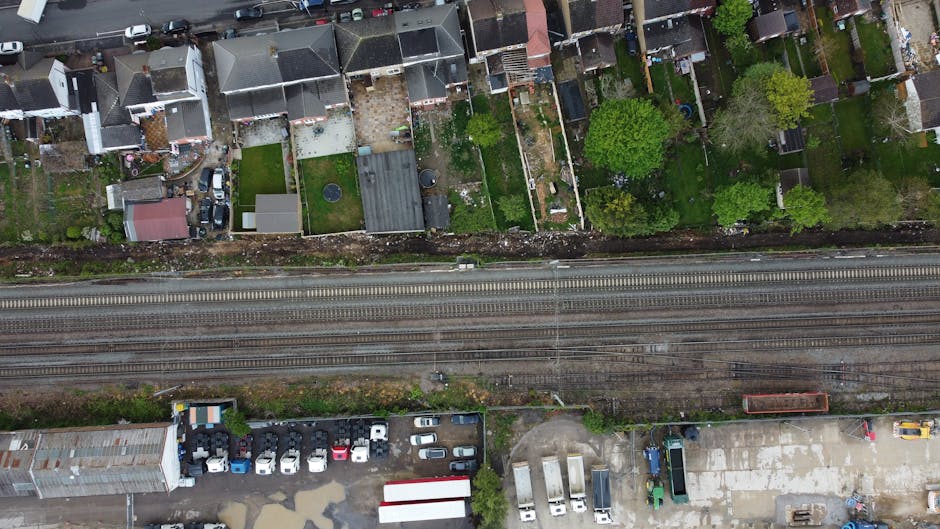
Garden clearance for Mile End Road homes in Stepney
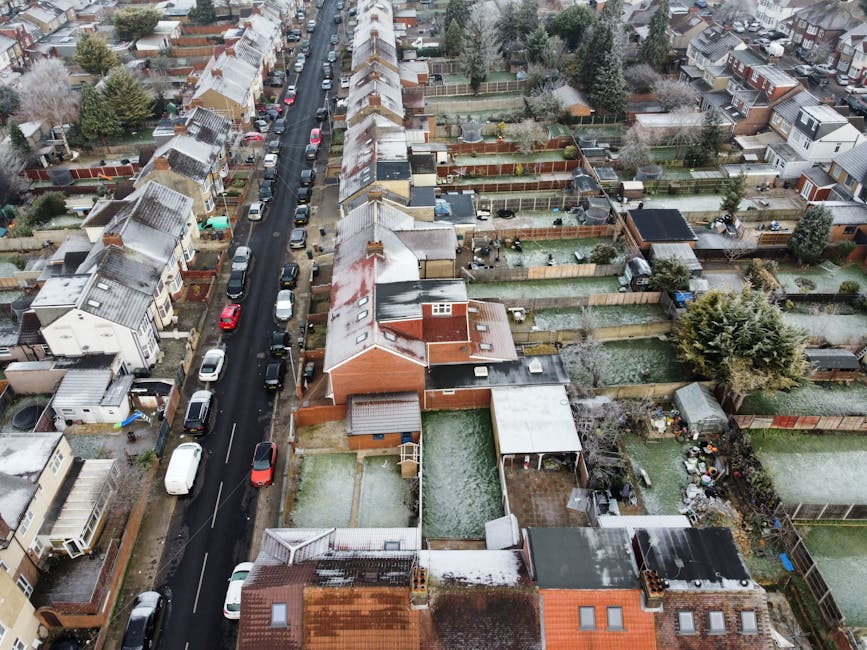
If your outdoor space has started to feel more cramped than calming, you are not alone. In Stepney, and especially around Mile End Road, gardens often have to work hard in a small footprint: a bit of greenery, a bit of storage, maybe a patio, maybe a shed, and then suddenly everything is overgrown, cluttered, or half-hidden behind tired plants. Garden clearance for Mile End Road homes in Stepney is about taking that space back properly, not just giving it a quick tidy-up.
Done well, it can open up a garden again, improve safety, make maintenance easier, and give you a much clearer picture of what the space can become next. Whether you are preparing for a full redesign, dealing with years of accumulated waste, or simply trying to get on top of brambles and broken fixtures, a structured clearance makes a real difference. In this guide, we will walk through how it works, what to expect, and how to avoid the common mistakes that waste time and money.
Why Garden clearance for Mile End Road homes in Stepney Matters
Urban gardens do not usually fail because people do not care. They fail because life gets busy, storage gets awkward, and the same corner that once held a neat herb bed slowly becomes a tangle of self-seeded growth, old pots, timber offcuts, and the odd mystery item that seems to have appeared from nowhere. Mile End Road homes often face that exact problem. Space is limited, access can be tight, and there is rarely room to ignore the mess for long.
Garden clearance matters because it restores control. That sounds simple, but in practice it means making the garden safer to walk through, easier to use, and less vulnerable to pests, damp, and plant disease. Overgrown waste can block light, trap moisture, and hide broken paving or uneven ground. If you have children, pets, or older relatives using the garden, that matters even more.
It also matters financially. A cleared garden is easier to maintain, easier to quote for further work, and much more likely to support a sensible long-term plan. If you are considering new planting, fencing, decking, or a full landscaping refresh, clearance is usually the right first step. Without it, everything else becomes guesswork.
There is also a simple emotional side to it. When a space is cluttered, it presses on you a bit every time you look out of the window. Once it has been cleared, even a modest yard can feel calmer. You notice the shape of the garden again. You can hear the birds properly. That first breath of order is often the moment people realise the space was better than they thought.
Expert summary: Good garden clearance is not just removal work. It is the reset that lets a Stepney garden become safer, clearer, and far easier to improve afterwards.
How Garden clearance for Mile End Road homes in Stepney Works
A proper garden clearance is usually more methodical than people expect. It is not just a team turning up and loading a few bags. The job normally starts with a look at the site, the access route, the volume of waste, and whether there are any fragile features to protect. On tighter Mile End Road properties, access can matter as much as the clearance itself. Side passages, narrow gates, and shared entrances all affect how the work is planned.
The first stage is usually a sort-through. Some items are waste, some can be reused, and some may need special handling. Old pots, cracked planters, broken furniture, damaged trellis, dead shrubs, ivy mats, lawn debris, and accumulated leaves all tend to come up early. If there are tree branches or dense hedging involved, you may need a more specialised approach through tree surgery support or hedge trimming, depending on what is actually in the garden.
Next comes the clearing itself. This may include:
- cutting back overgrowth
- lifting and removing dead plant material
- clearing weeds, runners, and self-seeded growth
- collecting rubble, wood, and general garden waste
- removing broken features or loose debris
- preparing the surface for follow-on work
After that, the space is normally checked for anything that needs attention before the next stage. For example, hidden drainage issues, unstable edging, damaged paving, or compacted soil often become obvious only after the clutter has gone. Truth be told, that is often where the real value lies. A clear garden reveals the job properly.
If you want the cleared area brought back into regular use quickly, it can be sensible to combine clearance with ongoing garden maintenance or follow it with patio cleaning if hard surfaces have been neglected too. That keeps the work moving rather than letting the space slip back into the same cycle.
Key Benefits and Practical Advantages
The obvious benefit is that the garden looks better. But the real advantages go a bit deeper than appearances.
1. More usable space
Once clutter and overgrowth are removed, you can actually use the garden again. Even a small outdoor area feels larger when you can see the boundaries clearly. A narrow Stepney back garden can suddenly become somewhere for a table, a planter row, or a clean walking route.
2. Better light and airflow
Dense growth blocks sunlight and reduces airflow. Clearing it helps the garden dry out faster after rain, which is useful in the British climate, especially where walls and fences already create shade. If you are interested in making a garden more resilient overall, weather-resilient garden protection is a useful companion read.
3. Lower pest pressure
Stacks of debris, dense weeds, and damp corners can encourage slugs, insects, and rodents. Clearance does not solve every pest issue, of course, but it removes easy hiding places. That alone helps.
4. Safer surfaces
Broken pots, hidden nails, loose paving, and twisted branches are all common hazards in neglected gardens. A good clearance reduces trip risks and makes paths and access points clearer. If safety is a concern, it is worth reviewing insurance and safety guidance as part of the wider planning process.
5. Easier future maintenance
Maintenance is always easier once the base condition is improved. A garden that has been cleared properly needs less effort to keep tidy. That is a big deal if you are trying to avoid a cycle of big, exhausting clean-ups every year.
6. Better design decisions
People often make better choices once the clutter is gone. You can see where shade falls, where water collects, and which areas are actually worth keeping. It is a bit like cleaning a workshop bench before starting a project; suddenly, the next decision becomes obvious.
Who This Is For and When It Makes Sense
Garden clearance is not only for heavily neglected plots. It suits a wide range of households in and around Mile End Road.
- Homeowners preparing a sale: first impressions count, and a tidy garden can make a property feel better cared for.
- Landlords and letting agents: an overgrown garden can create complaints, access issues, and avoidable maintenance costs.
- Busy families: if the garden has become a storage zone for bikes, toys, pots, and broken bits, a reset helps everyone.
- Older homeowners: clearing a garden can reduce the effort needed to keep it manageable.
- People planning landscaping: clearance is often the first practical step before new surfaces, planting, or layout changes.
- Anyone dealing with storm damage or seasonal collapse: after windy weather or winter dieback, a proper clean-up can stop small problems turning into a big job.
It makes sense when the space no longer matches how you want to live. Maybe you want low maintenance. Maybe you want a small seating area. Maybe you want to grow herbs again. Or maybe you just want to open the back door without feeling guilty about the view. Completely fair.
For people looking to redesign after clearance, it can help to think ahead about the style of garden you want. A compact layout might benefit from ideas in vertical gardening, while a low-effort outdoor space may be better served by low-maintenance garden ideas.
Step-by-Step Guidance
If you are organising a clearance or want to understand what a careful team should do, this is the basic flow to expect.
- Assess the space. Walk the garden and identify the main issues: waste, weeds, dead growth, broken items, blocked access, and any hazards.
- Decide what stays. Keepers should be clearly separated from waste before work begins. This avoids accidental removal of useful materials or sentimental items tucked behind a shed.
- Clear loose debris first. Bags, pots, small rubble, and surface clutter come out early because they make the rest of the job easier.
- Cut back overgrowth. Brambles, tall weeds, and excess growth are reduced in a controlled way so the space can be seen and accessed properly.
- Remove waste in stages. Heavy or bulky waste may need to be handled separately, especially if access is narrow.
- Check for hidden issues. Look underneath old growth for damaged paving, rot, drainage problems, or signs that more work is needed.
- Tidy the edges. Borders, fence lines, and corners often need extra attention. These are the places where neglected gardens tend to hide their worst bits.
- Finish with a practical sweep. A decent clearance should leave the garden safe, walkable, and ready for the next step.
A useful way to think about the process is this: clear, inspect, then plan. Not the other way around. If you plan too early, you may design around a problem you have not even uncovered yet.
For people who want to do part of the work themselves before arranging professional help, a bit of preparation goes a long way. Gather what you want to keep, make a quick note of any broken structures, and decide whether the result should be a simple tidy-up or a full reset. That one decision changes the scope more than many people realise.
Expert Tips for Better Results
Here are the things that tend to improve the outcome most.
- Do not clear in a rush. If you move too fast, you miss hidden waste and leave weak spots behind.
- Start with access routes. In tighter homes, especially near Mile End Road, getting to the back garden safely is half the job.
- Separate compostable material early. Some cuttings and leaves may be reusable, while diseased material should usually be treated differently. If you are interested in turning waste into something useful, reimagining waste as soil fertility is a smart way to think about it.
- Pay attention to corners and fence lines. These are easy to ignore and often hold the worst build-up.
- Check for plant regrowth. Some plants look dead but come back. Others are genuinely finished. Knowing the difference saves bother later.
- Plan the next move before the clearance starts. If you know you want lawn work, new borders, or a seating area, the clearance can be shaped around that goal.
- Think seasonally. After wet weather or winter, waste tends to be heavier and more compact. A spring reset often uncovers far more than expected.
One small but important tip: if the garden includes hedging, do not assume every shrub needs to go. Sometimes the right move is shaping rather than removal. A well-kept boundary can give privacy and structure, and a good article like transformative hedge trimming techniques shows why that distinction matters.
And yes, there is a little bit of judgement involved. Not every tangled patch is a disaster. Some of it is just a garden trying, awkwardly, to be a garden again.
Common Mistakes to Avoid
The most common mistake is treating clearance like bin day. It is bigger than that. A rushed clear-out often leaves root systems, hidden debris, or structural issues behind, which means the garden looks better for a week and then slips back again.
Another mistake is removing too much too quickly. Some mature plants, hedging, or ground cover may be worth keeping if they still add value. Removing everything because it looks messy can leave you with a bare, uninspiring space and extra work later. If you are unsure what deserves saving, it is better to pause than to hack away and regret it the next morning.
People also forget about the surface beneath the mess. Once the waste is gone, you may discover compacted soil, moss, broken slabs, or drainage trouble. That is not a failure. It is the point where the real fix begins. But if you do not allow for it, the project can feel like it has gone off-track.
Here are a few more avoidable errors:
- leaving bulky waste stacked "for later"
- not checking for hidden glass, nails, or sharp metal
- ignoring access restrictions for removal equipment
- forgetting to protect nearby plants you want to keep
- starting a redesign before the space is fully clear
A subtle one, but important: people often underestimate how much time a proper clearance takes. A small garden can still hide a surprising amount of material. If you have ever pulled one bucket of weeds only to find three more underneath, well, you know the feeling.
Tools, Resources and Recommendations
If you are reviewing a garden clearance yourself before hiring help, or simply trying to understand what good practice looks like, the right equipment matters.
Useful tools often include:
- heavy-duty gloves
- secateurs and loppers
- garden shears
- rakes and hand forks
- strong waste bags or tubs
- a wheelbarrow or garden trolley
- tarpaulins for moving material cleanly
- a broom or outdoor brush for the finish
For broader gardening upkeep, a reliable routine is more valuable than a one-off burst of energy. A useful approach is to combine clearance with planned maintenance and, where relevant, services like lawn mowing and lawn care. If the garden includes tired paving or an awkward hardstanding area, patio cleaning can make the whole space feel more finished after the clutter is gone.
For people who want to rebuild the garden thoughtfully after clearance, these ideas can be genuinely helpful:
- ground covers for easier planting areas
- container gardening for tight urban spaces
- weed control basics
- privacy planting ideas
- simple seating area planning
And if the garden is especially shaded, windy, or exposed, it is worth thinking beyond clearance and toward resilience. wind control techniques and weather protection can make a big difference in how quickly a newly cleared garden settles into something usable.
Law, Compliance, Standards, or Best Practice
For garden clearance in London, the main thing is to handle waste responsibly and work safely. You do not need to get lost in legal jargon, but a few basics matter.
First, waste should be separated sensibly. Green waste, timber, rubble, and general rubbish are not the same thing, and they should not be treated as if they are. Good clearance practice aims to keep recyclable and reusable materials apart where possible, while ensuring anything genuinely unwanted is removed through proper channels. That is not just tidier; it is better practice.
Second, if the work involves sharp tools, heavy lifting, overgrown access points, or unstable features, safety has to come first. That includes suitable protective gear, careful lifting, and avoiding rushed work around broken structures or unknown debris. A professional approach should also consider site-specific risks, especially in tight urban gardens where there is less room to manoeuvre. If you want to see how that thinking fits into a wider service approach, the site's health and safety policy is relevant.
Third, if tree branches, large shrubs, or boundary vegetation are part of the clearance, it may no longer be simple waste removal. That is where proper pruning, trimming, or tree work comes in, and it needs to be handled with care. In some cases, fencing or boundary repairs may also be needed after the overgrowth comes down, especially where old growth has been masking damage. In those situations, services like fencing may become part of the wider plan.
Best practice is really just common sense done properly: assess first, protect what matters, remove waste safely, and leave the site ready for the next stage. Simple to say. Not always simple to do, but that is the job.
Options, Methods, or Comparison Table
There is more than one way to approach garden clearance, and the right method depends on the state of the garden, your budget, and how much you want to handle yourself.
| Approach | Best for | Pros | Limitations |
|---|---|---|---|
| DIY clear-out | Very small jobs or light seasonal tidying | Lower direct cost, flexible timing | Time-consuming, physical, easy to underestimate waste volume |
| Partial professional help | Gardens with awkward waste, dense overgrowth, or limited access | Good balance of effort and control | Still requires some preparation and decision-making |
| Full clearance service | Heavily cluttered gardens, neglected plots, end-of-tenancy jobs, pre-renovation resets | Fast, efficient, thorough | Higher upfront spend than doing it yourself |
In practice, most homeowners sit somewhere in the middle. They may clear personal items, then bring in help for the heavy or messy parts. That often makes the project smoother and, honestly, less stressful.
If you are comparing garden services more broadly, it helps to think about what comes after clearance. For a more complete refresh, you might later need general gardening services, landscaping, or even a full update to a tired side area with decking services. The best option is the one that gets the garden back to useful, not just tidy.
Case Study or Real-World Example
Picture a typical Mile End Road back garden: narrow, enclosed, and partly shaded by neighbouring buildings. Over the years, it has collected plant pots, an old bench, climbing weeds, a broken compost bin, and a couple of bags of forgotten rubble. The lawn is patchy, the paving is slippy, and there is not much point trying to sit out there because you can barely reach the back.
The first priority is not new planting. It is clearance. The access route is opened up first, then the debris is removed, then the overgrowth is cut back enough to reveal the actual shape of the space. Once that happens, the garden starts telling the truth. There is a sunny corner that had been swallowed by a climber. There is enough room for a compact seating area after all. The back fence is in better condition than expected, though one panel will need attention. The soil, underneath the clutter, is workable. Not perfect. But workable.
From there, the owner can make sensible decisions instead of guessing. They may choose to keep a couple of healthy climbers, add pots for herbs, and create a simple hard surface area for morning coffee. Nothing extravagant. Just useful. And that is usually the point people were aiming for all along.
That kind of transformation is often less about reinvention and more about recovery. The garden was there the whole time. It just needed space to be seen again.
Practical Checklist
Use this before, during, or after a garden clearance job.
- Identify what must stay and what can go
- Take note of any fragile plants or structures
- Check access for waste removal
- Clear personal items first
- Separate garden waste from general rubbish where possible
- Look for hidden hazards under the overgrowth
- Decide whether you need hedge, lawn, or tree follow-up work
- Plan the next use of the space before the clearance starts
- Arrange any necessary aftercare for soil, paving, or borders
- Keep the final layout simple if maintenance time is limited
A small checklist like this saves a lot of regret later. Which is nice, because regret is not a great garden feature.
Conclusion
Garden clearance for Mile End Road homes in Stepney is more than a tidy-up. It is a reset, a safety check, and often the first real step toward making a small urban garden feel useful again. Whether you are dealing with heavy overgrowth, old debris, or a layout that has simply got away from you, the right clearance work gives you options. That is the big win.
Start by clearing the clutter, then look at what the space can become. Maybe it needs better maintenance. Maybe it needs a seating area. Maybe it needs a full redesign. But first, it needs breathing room. Once you have that, the rest becomes much easier to judge, and a lot less daunting.
Get a free quote today and see how much you can save.
And if your garden has been bothering you every time you glance at it from the kitchen window, do not worry too much. With the right approach, it can turn around faster than you think.
Frequently Asked Questions
What does garden clearance usually include?
It usually includes removing overgrowth, weeds, dead plant material, loose debris, old pots, broken garden items, and any waste that is stopping the garden from being used properly. Depending on the site, it may also involve cutting back shrubs, clearing access paths, and preparing the area for follow-up work.
How is garden clearance different from garden maintenance?
Garden clearance is the reset. Garden maintenance is the ongoing upkeep that keeps the space tidy afterwards. In simple terms, clearance deals with the mess; maintenance stops it from building up again quite so quickly.
Do I need garden clearance before landscaping?
Usually, yes. If you are planning new paving, planting, decking, fencing, or a new layout, clearance helps reveal the real condition of the space. It is much easier to design around a clean site than around hidden waste and overgrowth.
Can I do garden clearance myself?
For light jobs, yes. A small tidy-up or seasonal clear-out is manageable for many people. But if the garden is heavily overgrown, full of bulky waste, or difficult to access, professional help is often safer and far less exhausting.
How long does a clearance take?
That depends on the size of the garden, the amount of waste, access, and whether anything special needs handling. A compact urban garden may be quick to clear if it is only lightly overgrown, but neglected spaces can take much longer than expected.
What should I remove before the team arrives?
It helps to move personal items, valuables, and anything you definitely want to keep. If you have garden furniture, toys, or planters you are unsure about, mark them clearly. That saves confusion and makes the job smoother.
Is garden clearance safe for fragile plants?
It can be, if it is handled carefully. Good practice is to identify plants you want to keep before work starts and protect them while waste and overgrowth are removed. A careful clear-out should improve the space without wrecking the living parts of it.
What happens to the garden waste?
Garden waste should be sorted and removed responsibly. Green waste, wood, rubble, and general rubbish are often handled differently, so it is best not to lump everything together if you can avoid it. Responsible disposal is part of proper clearance, not an optional extra.
Will clearance fix drainage or soil problems?
Not by itself, but it often reveals them. Once the clutter is gone, you can see where water gathers, where soil is compacted, and where further work is needed. That is one reason clearance is so valuable: it shows you what is really going on.
Is garden clearance worth it for a small Stepney garden?
Absolutely. In a small garden, clutter has an even bigger impact because every square foot matters. Clearing it properly can make the space feel larger, safer, and much easier to enjoy.
Can garden clearance be combined with other services?
Yes, and that is often the smartest way to do it. Depending on the garden, it may make sense to combine clearance with mowing, hedge work, lawn care, patio cleaning, fencing, or broader gardening services so the space is ready to use afterwards.
How do I know if my garden needs a full clearance or just a tidy-up?
If you can still walk through the garden easily and the main issue is surface mess, a tidy-up may be enough. If access is blocked, waste is layered up, or you cannot clearly see the ground and boundaries, a full clearance is probably the better choice.